23 October 2026
Jamaican Food Recipes Full of Color and Character
Presented by @josuerdmw906
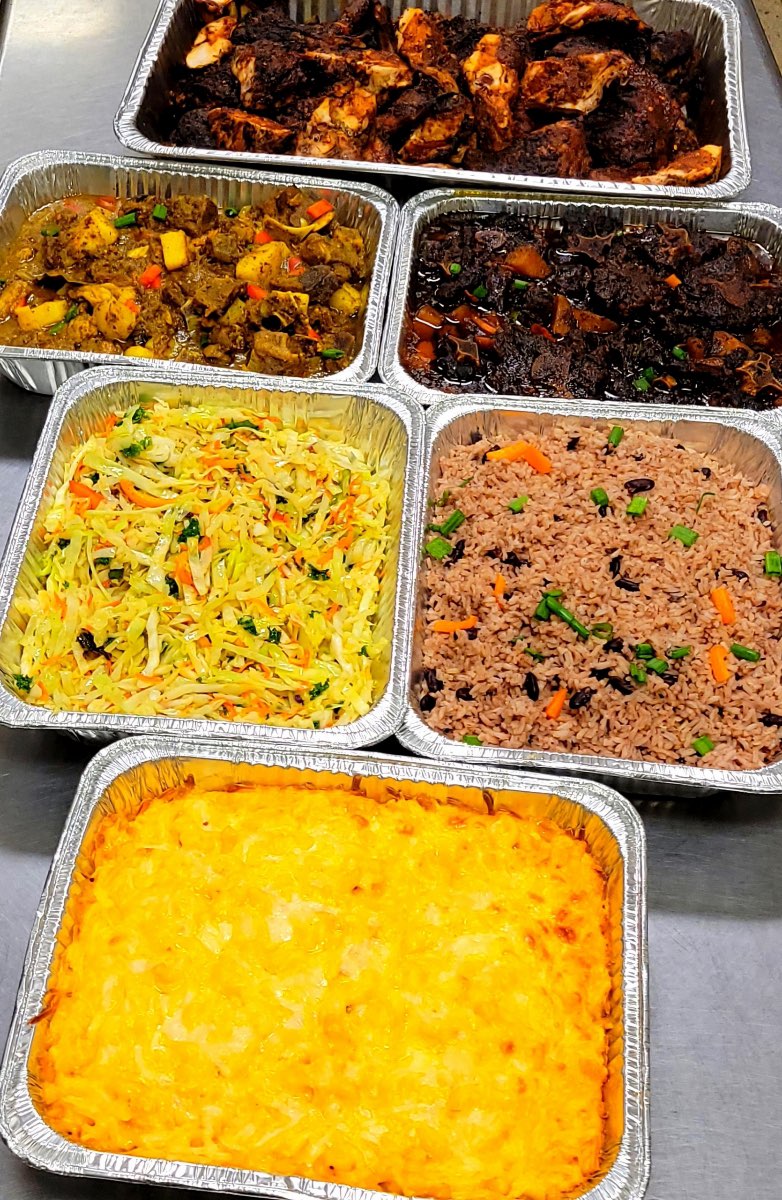
Jamaican food has a way of announcing itself before it reaches the table. You smell scallion and thyme rising from a pot, catch the sweetness of browning onions, then get the deeper notes, allspice, Scotch bonnet, smoke, ginger, coconut, pimento wood if you are lucky enough to have it. The food is vivid, but not loud for the sake of it. It balances heat with sweetness, richness with acid, comfort with spark. That balance is what gives Jamaican food its character, and it is why even straightforward home recipes feel memorable.
People often reduce Jamaican cooking to jerk seasoning and heat. That misses the point. Good Jamaican food is layered and deeply practical. It makes full use of fresh herbs, root vegetables, beans, salt fish, chicken, goat, ripe fruit, and pantry staples in ways that stretch ingredients without feeling austere. It is cooking shaped by African, Indigenous, European, and Asian influences, then sharpened into a cuisine with a distinct point of view. The best dishes are colorful, certainly, but the real beauty is in the contrast. Tender braised meat beside bright pickled vegetables. Creamy coconut rice under a peppery stew. Crisp fried dough with a soft, spiced filling.
If you want to cook Jamaican food well at home, the key is not chasing spectacle. It is understanding the structure of the flavors. Once you know how thyme, scallion, onion, garlic, ginger, allspice, Scotch bonnet, and browning work together, a lot of recipes begin to make sense. You stop following instructions mechanically and start cooking with judgment.
The flavor base that keeps showing up
Many Jamaican recipes begin with a seasoning paste or a loose aromatic mix. It is rarely precious. A cook might use whatever is fresh and on hand, then adjust by feel. Still, a pattern emerges. Scallion gives freshness. Thyme adds a resinous, savory edge. Garlic and onion create body. Ginger lifts heavier dishes. Allspice, often called pimento in the Caribbean, brings warm spice that reads as clove, cinnamon, and pepper at once. Scotch bonnet adds fruitiness as much as heat.
This matters because Jamaican cooking is not just about piling on spice. It is about where that spice lands. A whole Scotch bonnet dropped into a simmering pot gives a rounded warmth if left intact, while a chopped one changes the entire character of the dish. Browning, that dark caramelized sauce used in many kitchens across the Caribbean, deepens color and adds slight bitterness that keeps stews from tasting flat. Coconut milk softens aggressive heat and ties starches and proteins together. Fresh lime or vinegar often arrives late, not to sour the dish, but to wake it up.
When home cooks struggle with Jamaican food, it is often because they season too timidly at the start, then try to fix everything with salt at the end. That rarely works. The flavor should be built in stages, with aromatics at the beginning and correcting touches near the finish.
What to keep in the kitchen
You do not need a specialty market for every meal, though a Caribbean grocery certainly helps. A small core of ingredients will take you surprisingly far.
- scallions, thyme, garlic, onion, and ginger
- allspice, black pepper, curry powder, and paprika
- Scotch bonnet peppers or a close substitute with care
- coconut milk, dried beans or canned beans, and long-grain rice
- soy sauce, vinegar, lime, and browning sauce
That list covers a broad range of Jamaican food, from rice and peas to brown stew chicken to escovitch-style vegetables. If you can also find callaloo, cassava, green bananas, festival mix, or salt fish, your options open wider, but the basics above are enough to cook with confidence.
Jerk is technique as much as seasoning
Jerk has become the ambassador of Jamaican food, and for good reason. Done properly, it is thrilling. But jarred jerk paste and hurried roasting have trained many people to expect a one-note blast of spice. Traditional jerk is more nuanced. It relies on a seasoned marinade with scallion, thyme, allspice, Scotch bonnet, garlic, ginger, and often soy sauce or salt, with sweetness from brown sugar and depth from oil or browning. The seasoning penetrates, then the cooking method, ideally smoke and moderate heat, develops a crust without scorching the sugars.
At home, jerk chicken is one of the most reliable places to start. Bone-in thighs or leg quarters are forgiving and stay juicy. I like to slash the thicker parts so the seasoning gets into the flesh, then marinate overnight if possible. Four hours is enough for a decent result, but overnight is where the chicken begins to taste seasoned all the way through rather than merely coated.
If you do not have a grill, a hot oven works. Roast at a high enough temperature to encourage browning, then finish under the broiler for charred edges. The trick is restraint with the sugar. Too much, and the surface burns before the chicken cooks through. Too little, and the flavor lacks the sticky, dark depth people expect. A little neutral oil in the marinade helps carry the aromatics and gives the final skin a better sheen.
Serve jerk chicken with rice and peas, fried plantains, or a crisp slaw. The slaw is more important than many people realize. Jerk needs contrast. Something cool, acidic, and crunchy keeps the plate from becoming heavy.
Rice and peas, the supporting actor that steals the scene
Few dishes reveal the heart of Jamaican home cooking more than rice and peas. The name can confuse newcomers because the “peas” are often kidney beans or gungo peas rather than green peas. The dish is humble, but if it is bland, the whole meal suffers.
Proper rice and peas should smell of coconut, thyme, scallion, and a little pepper. The beans should be tender but intact. The rice should be separate, not mushy. Cooking the beans from dry gives the most flavor because the bean liquor enriches the pot, but canned beans are perfectly workable on a weeknight. The key is the liquid ratio. Coconut milk adds richness, but too much turns the rice greasy and heavy. A mix of bean liquid, water, and coconut milk gives the best texture.
Many cooks tuck a whole Scotch bonnet into the pot. That method is worth learning because it perfumes the rice without making it aggressively hot. If the pepper bursts, the dish becomes far fiercer, so treat it gently. Fresh thyme is preferable to dried here. Dried thyme can taste blunt, while fresh thyme leaves release slowly into the steam.
This is one of those recipes where patience pays off. Once the pot is covered, resist stirring. Stirring breaks the grains and makes the rice gummy. Let the steam finish the work, then fluff gently with a fork.
Brown stew chicken, glossy and deeply savory
Brown stew chicken belongs in any serious conversation about Jamaican food because it shows how much can be done with familiar ingredients and sound technique. It starts with seasoned chicken, often marinated with onion, scallion, thyme, garlic, black pepper, and a little soy sauce. The chicken is browned first, then simmered with sautéed vegetables, tomato, stock or water, and browning sauce until the gravy becomes rich and shiny.
The first time you make it, the temptation is to rush the browning. Do not. Color matters here. If the chicken goes into the pot pale, the final stew tastes thin even if the ingredient list looks right. On the other hand, if the heat is too high and the marinade burns in the pan, bitterness takes over. This is where judgment matters more than strict timing. You want a dark golden crust, not scorched black spots.
Bell peppers often show up in the finished stew, adding sweetness and color. Carrots are common too. The sauce should coat a spoon, but it should not become a heavy gravy in the Southern American sense. It needs enough looseness to soak into rice.
A practical home version can be finished in about an hour. Marinate the chicken while you prep your vegetables, brown it in batches so the pan does not steam, then let it simmer gently until tender. The reward is a dish that feels both weekday-friendly and generous enough for company.
Curry goat teaches patience
Not every Jamaican recipe is fast, and that is part of its character too. Curry goat is a dish that rewards long, slow cooking. Goat can be firm and lean, and it needs time to surrender. Done properly, the meat becomes tender while the curry sauce grows dense with onion, garlic, thyme, ginger, and the unmistakable fragrance of Caribbean curry powder.
Caribbean curry powder differs from many South Asian blends. It often leans heavily on turmeric, coriander, fenugreek, cumin, and allspice, producing a rounded warmth with a golden color. A common technique is “burning” the curry in oil at the start. The phrase sounds dramatic, but the goal is simply to toast the powder briefly in hot fat to bloom its flavor. If you skip that stage, the curry can taste chalky.
Marinating the goat with curry, garlic, thyme, scallion, and pepper helps, but time on the stove matters more. A pressure cooker can shorten the cooking time significantly, though the sauce may need reducing afterward for concentration. Potatoes are often added late, both to stretch the dish and to absorb the sauce. They should be tender without disintegrating.
This is not a dish to force into a thirty-minute dinner format. If you need a faster curry, use chicken. Goat asks for a slower hand, and the result justifies it.
Ackee and saltfish, delicate when treated with respect
Ackee and saltfish is Jamaica’s national dish, and it has a texture unlike almost anything else in the Caribbean canon. Ackee, when cooked, becomes soft and buttery, almost like scrambled eggs in appearance, though the flavor is subtler. Saltfish, usually salted cod, brings salinity and chew. Together with onion, tomato, scallion, thyme, and pepper, they make a dish that is savory, bright, and surprisingly elegant.
Ackee carries an important caveat. It must be fully ripe and properly prepared. Canned ackee is the safest and most accessible option for many home cooks, and there is no shame in using it. In fact, for most readers, that is the sensible route. The main rule is to handle it gently. Ackee breaks apart easily, and rough stirring turns the dish into a mash.
Saltfish needs soaking and often boiling to remove excess salt. The exact time depends on the brand and thickness. Taste before cooking the final dish. Over-salted saltfish overwhelms the ackee and makes balancing impossible. Once desalted, flake it and sauté lightly with aromatics before folding in the ackee.
A lot of cooks make the mistake of chasing color with too much tomato. Tomato should support, not dominate. The finished dish wants yellow ackee, pale fish, green herbs, and just enough red from peppers or tomatoes to enliven the plate. It is often served with fried dumplings, boiled green banana, yam, or breadfruit, all of which make sense because the dish itself is relatively soft and rich.
Escovitch is where sharpness earns its place
Jamaican food is not all smoke and stew. Escovitch fish brings a sharper profile to the table. A whole fish, often snapper, is seasoned, fried until crisp, then topped with a hot pickle of carrots, onions, bell peppers, Scotch bonnet, and vinegar. The contrast is the point. Crisp fish under tangy vegetables, heat cut by acid, sweetness from the onions, color everywhere.
The fish should be dry before frying. Moisture is the enemy of crisp skin and safe frying. Light scoring helps the seasoning penetrate and gives the hot oil more edges to crisp. The escovitch vegetables should retain some bite. If they cook down into softness, the dish loses energy. Pouring the hot vinegar mixture over the fried fish lets the flavors settle into the crust without making it soggy immediately.
This recipe teaches a useful lesson about Jamaican cooking: intensity often comes from contrast, not from sheer quantity of seasoning. The fish itself may be seasoned quite simply, while the topping does the dramatic work.
Patties, coco bread, and the art of portable flavor
Jamaican patties occupy a different part of the cooking landscape. They are snack, lunch, roadside staple, bakery favorite, and late-afternoon rescue all at once. A proper patty has a pastry tinted golden with turmeric or curry powder, short enough to flake but sturdy enough to hold a juicy filling. https://privatebin.net/?1e8c87a37c4bb676#E9QBdDVuykn3maMa6DyZeXFGqnagAqRnQPu7mxMhc1iP The filling is usually beef, though chicken, vegetable, shrimp, and ackee versions are common.
The best beef filling is well-seasoned but not wet. Onion, garlic, scallion, thyme, black pepper, paprika, and a little Scotch bonnet give it personality. Breadcrumbs or fine cracker crumbs sometimes help bind the juices. If the filling is too loose, it leaks and ruins the pastry. If it is too dry, the patty tastes mean.
Homemade patties are worth making, but they are more exacting than stews. The dough needs to stay cool, and the filling needs to cool completely before assembly. This is one recipe where professional bakers earn your respect quickly. If you want a simpler route, buy good frozen pastry and focus your energy on the filling. Serve the patty alone or tucked into coco bread, a soft, slightly sweet bread that cushions the spice.
Sweet sides and everyday starches matter more than they get credit for
A plate of Jamaican food is rarely just about the main dish. Plantains, boiled provisions, dumplings, bammy, and festival shape the experience. Their role is not ornamental. They manage spice, add texture, and make meals satisfying.
Fried ripe plantains should be caramelized at the edges and soft inside, not collapsed into oily sweetness. Medium-ripe plantains often give the best balance because they still hold their shape. Festival, the lightly sweet fried dough often served with jerk or fried fish, offers a crisp shell and soft center that works especially well with spicy foods. Bammy, made from cassava, can be toasted or fried and is excellent with fish because it is sturdy enough to soak up sauce without falling apart.
Boiled green banana, yam, and dumplings are often dismissed by people seeing them for the first time, but that is usually because they do not understand their purpose. They steady strong flavors. A salty, peppery fish dish becomes more complete beside a plain boiled starch. That sort of balance is a hallmark of thoughtful Jamaican cooking.
Sorrel, ginger, and the bright finish
Drinks and condiments deserve a mention because they carry the same colorful sensibility as the food itself. Sorrel, especially around the holidays, brings tartness, spice, and a deep ruby color that looks almost theatrical in the glass. Ginger beer, whether fermented or made as a strong spiced drink, has enough bite to stand up to rich dishes. Fresh pepper sauces vary wildly in heat and fruitiness, and they can transform leftovers the next day.
Even a simple fruit plate can echo the larger themes of the cuisine. Pineapple, mango, and papaya bring acidity and perfume after a savory meal. A squeeze of lime over sliced fruit can be as well judged as any formal dessert.
Common mistakes that flatten the food
Several errors show up repeatedly when people attempt Jamaican recipes for the first time.
- underseasoning at the start, then over-salting at the end
- using dried herbs as a full substitute for fresh thyme and scallion
- treating Scotch bonnet as only a heat source, rather than a fruity aromatic
- overcooking vegetables until every dish turns soft and muddy
- skipping the browning step in stews and expecting deep flavor anyway
These are fixable problems. Fresh herbs are worth seeking out. Heat can be moderated without losing character, for example by using a whole pepper rather than chopped pepper, or by removing the seeds and membrane. Browning can be managed carefully in the pan or supplemented with bottled browning if needed. And texture deserves attention. Not every component should be soft. A little bite from vegetables, a crisp skin on fish, or a caramelized edge on plantain can make the difference between a plate that tastes homemade in the best sense and one that feels merely assembled.
Cooking jamaican food outside Jamaica
Anyone cooking Jamaican food away from the island faces substitutions sooner or later. That is normal. The question is which substitutions preserve the spirit of the dish and which ones strip out too much.
Habanero can stand in for Scotch bonnet in many cases, though it is not a perfect match. It brings similar heat and some fruitiness. Smoked paprika can support jerk in the absence of a grill, though it should not dominate. If you cannot find goat, lamb can work in a curry, but it will produce a richer and slightly different result. Spinach can sub for callaloo in a pinch, but you lose callaloo’s distinctive softness and mineral note. Canned beans are acceptable for rice and peas when time is short, provided you adjust the liquid and season assertively.
The guiding principle is honesty. Make the best version you can with what you have, but know what has changed. That awareness helps you compensate intelligently rather than pretending every substitute is invisible.
Why these recipes endure
What makes Jamaican food endure is not just flavor, though the flavor is unforgettable. It is the way the recipes fit real life. There are dishes for a crowd and dishes for one pan after work. There are recipes that stretch modest ingredients and recipes that feel celebratory enough for Sunday or a holiday table. There is brightness everywhere, but also comfort.
Cook through a handful of these dishes and a pattern appears. Color is never merely decorative. The red of Scotch bonnet, the green of thyme and scallion, the gold of curry, the dark lacquer on brown stew chicken, the pale cream of coconut rice, the orange edges of fried plantain, all of it signals something about the taste to come. Character, in the end, is built from that honesty between appearance and flavor.
That is why Jamaican food remains so compelling in home kitchens far beyond the Caribbean. It gives you recipes with personality, but also room for judgment. It asks you to smell, taste, adjust, wait, and trust your senses. When the pot is right, you know it before anyone says a word.
Reggae Pot Jamaican Grill
7562 S University Blvd C, Centennial, CO 80122
(303) 997-5623
FAQ About jamaican food
What is the best Jamaican food to try in Centennial?
The best choice depends on your preferences. Reggae Pot Jamaican Grill offers jerk chicken, curry goat, oxtail, and escovitch snapper, along with sides such as rice and peas and fried plantains. Ask the restaurant about current availability and spice levels before ordering.
Is Jamaican food very spicy in Centennial?
Heat varies by dish and preparation. Jerk dishes can be hot, while some stews and sides are milder. Tell the restaurant your preferred heat level and ask which options suit you.
What is typically on a Jamaican menu?
Common choices include jerk chicken, curries, oxtail, fish, patties, rice and peas, and plantains. Reggae Pot also lists ackee and saltfish and vegetable dishes. Menus and availability can change, so confirm your choices when ordering.